What do Freddie Mercury, Victorian rosé and ancient monotheistic religions have in common?
What do Freddie Mercury, Victorian rosé and ancient monotheistic religions have in common?
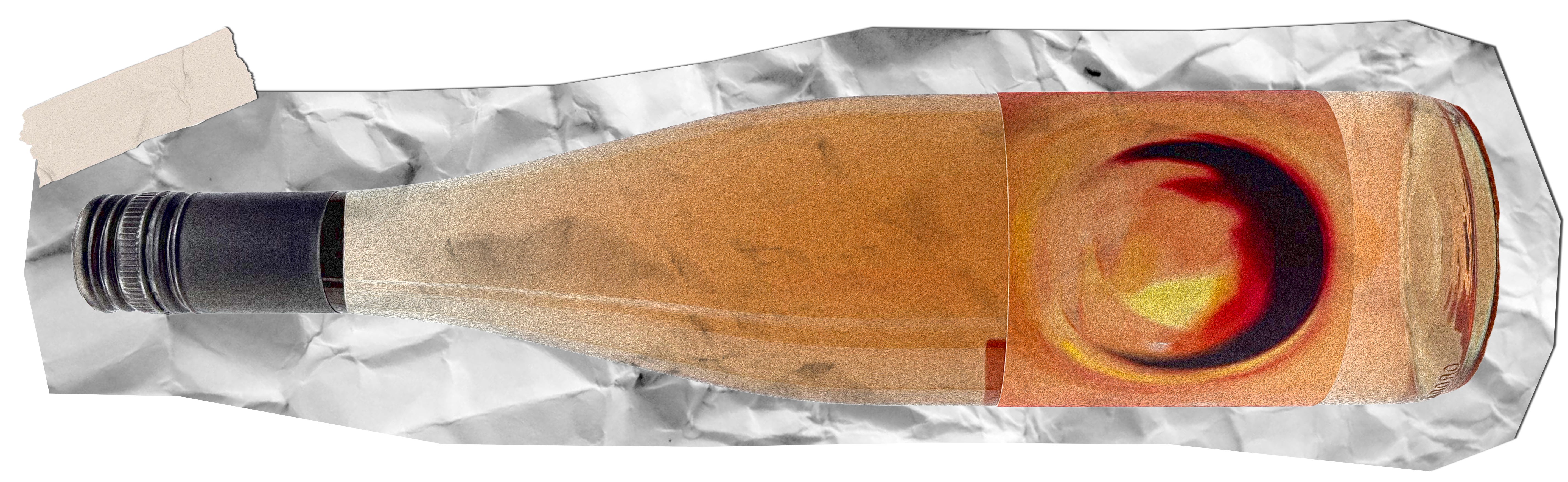
Enter Morgane Pavri-Rieme. After releasing her debut ‘Haoma Vins’ rosé, a succulent cabernet rosé washed with riesling skins, I sat down at Clover in Richmond with Morgane to discuss her 2025 release, life experiences and her family’s roots in Zoroastrianism.
Jordi: Firstly, congrats on releasing and selling out of your rosé.
Morgane: Thankyou.
Jordi: Help me understand the name Haoma Vins, where does that originate from and why you felt compelled to use that as the brand name?
Morgane: So, Haoma in the ancient language, Avestan, is the name of a certain plant that the Zoroastrians used to cultivate and extract the juice from to drink before certain ceremonies and prayers. It’s meant to bring you prosperity, good health, good fortune, fertility, all the good stuff really. Trying to find a name for a brand has to be the hardest part of winemaking. Choosing a name that’s not your name is hard, and you know, I was trying to find a way to embody the two cultures where I come from. My mum is Parsi, so Zoroastrian, and my dad is French, hence the Vins.
Jordi: Was that always part of your vision for making wine to include some sort of family element, or did that come after you started making your first wine?
Morgane: Hm, I don’t know. I mean it just came kind of naturally when you’re trying to think of something that’s not your own name – how do I still kind of present myself without using the main identifier?
Jordi: I’m just imagining, as a creative person myself, I always have to overthink things.
Morgane: Oh, yeah!
Jordi: As we do in any sort of field I guess.
Morgane: For hours, my commutes up to the Valley and back, just… thinking about it. Every combination of names, words, it’s draining.
Jordi: So what exactly is Zoroastrianism and where did it come from?
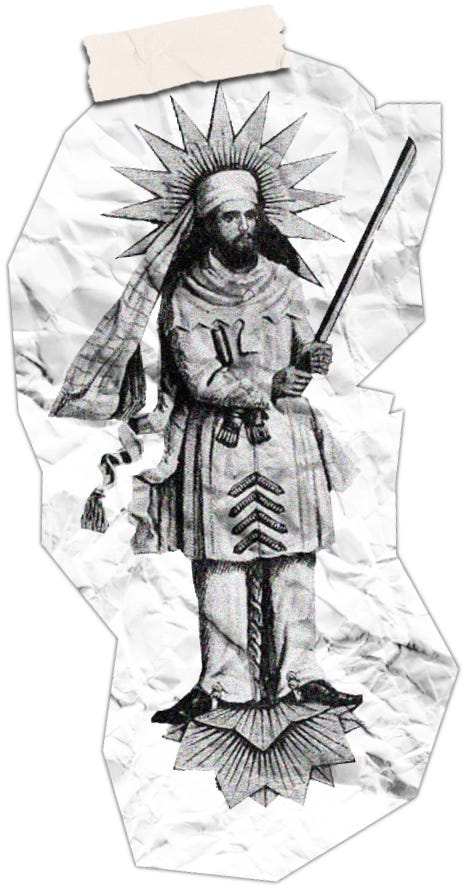
Morgane: Zoroastrianism is one of the first monotheistic religions originating in Persia. But during the Arab Conquests of Persia in the Middle Ages around the 10th century, Zoroastrians had to convert, die or flee. You had a mass exodus where some Zoroastrians ended up in Gujarat, India where they were allowed to settle as long as they adopted the local language and dress. This ethnoreligious minority are referred to as Parsis.
“I do like how religion can provide a template on how to go about difficult things, like death and grief for example. What prayers have to be recited, how to prepare the body, what foods to eat”
Jordi: And did the diaspora change over time or did people just stay? Obviously they moved from India around the world?
Morgane: The biggest Parsi community is in Mumbai, but there are some all over the world, including Hong Kong which is where my mum is from.
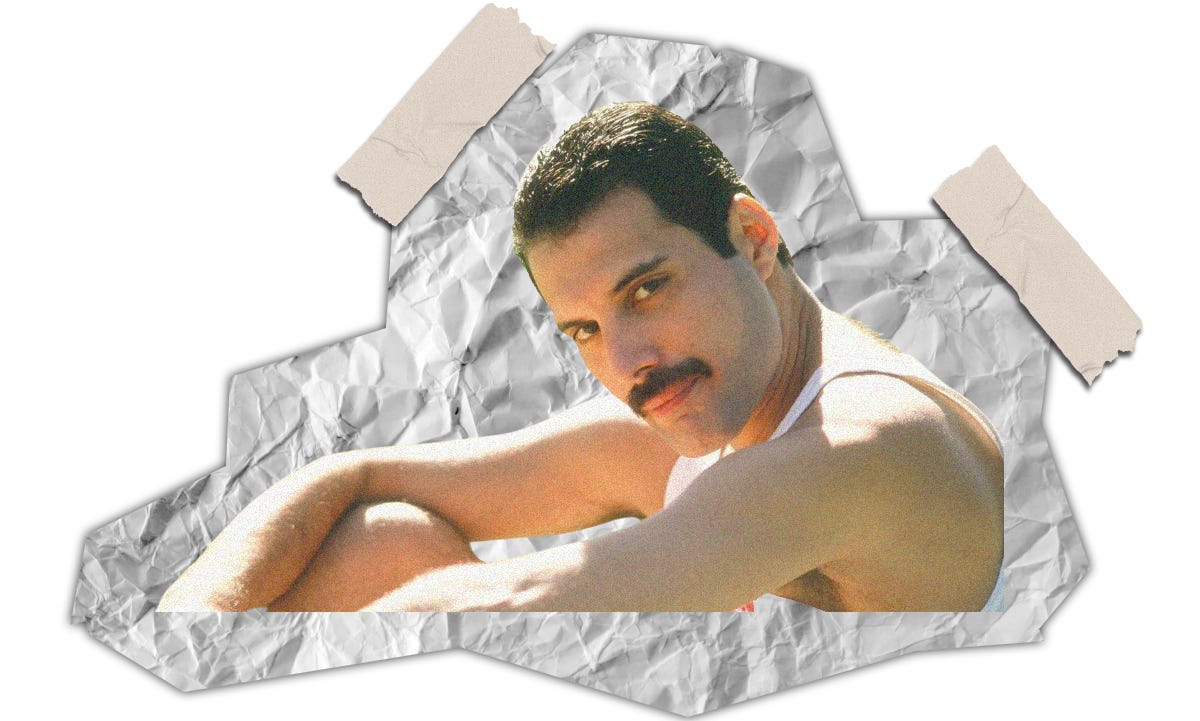
Jordi: I must say after we met and I tasted your delicious rosé, and I asked about your wine label, Zoroastrianism was unknown to me at all. I found it interesting that you brought Freddie Mercury into the picture as he was Zoroastrian. That was kind of a hook for me, as I’m a musician, I’m into his music. That really stuck to me. That night I went into a wikipedia hole on the whole thing. Am I illiterate of the religions of the world or is it quite niche?
Morgane: It’s quite niche. I don’t think a lot of people would be aware of it existing. But its influence can be seen in all the big monotheistic religions, so most people would find the concepts and structures of Zoroastrianism quite familiar.
Jordi: Such a weird anecdote but I remember in 2001, when I was seven-ish, watching that Simpsons episode where Lisa becomes a Buddhist. I remember specifically being filled with a sense of awe and wonder at having the autonomy to do that - that seemed cool you know. Now it feels like people have fallen out of love with spirituality full stop, maybe apart from glancing over a Jay Shetty book. And I feel like we’ve snuffed out the essence of the spiritual, as a fullness.
Does Zoroastrianism inform your spirituality now?
Morgane: I grew up with ‘good words, good thoughts, good deeds’, my grandma was quite religious, she would recite her prayers every day at 4 o’clock. I wouldn’t say I’m particularly spiritual but I do like how religion can provide a template on how to go about difficult things, like death and grief for example. What prayers have to be recited, how to prepare the body, what foods to eat etc.
Jordi: I’m pretty adamant that for people our age or younger it’s their Co-Star that’s driving a lot of spiritual intention when they start their day.
Morgane: We’re becoming more and more individualistic whereas religion kind of calls for collectivism.
Jordi: Totally, I mean we’re kinda collectivist in the sense that astrology is huge, and that people feel compelled by it for their own agendas. The community and the writing sets the pretence for our individual interpretations.
Morgane: I think we like the idea of having some other beings having some kind of say in what’s going on in our life. If someone’s having a terrible time, they can just go ‘oh that makes sense, my Saturn is in return.’
Jordi: Do you think it’s a good thing that people can look at a Co-Star and get a sense of meaning out of it, or purpose?
Morgane: I think if it comforts people, definitely. I think everything in moderation. When I worked in hospo I remember people would come in on first dates, and straight of the bat someone would be like ‘what’s your star sign? What time were you born?’, you know. Don’t meet someone with all these preconceived ideas of them based on the times of their birth. Give them a shot! But in saying that if it brings comfort in other parts of their life and security I guess, then why not?
“You’re just so ready to get out of bed and attack the day even though your hands and your whole body is sore. It’s just like, I don’t know… giddy”.
Jordi: Ok we should probably get into wine now, haha. Tell me a little bit about the journey to releasing your wine. Is it the first one you’ve ever released?
Morgane: First one, yes, that I’ve ever made. I had been wanting to play around with grapes for a while. Obviously when you’re making wine for other people, there’s definitely challenges, but also you’ve got ample help because the head winemaker knows the way they want the wine to turn out, or they’ve worked with a parcel for so long that they know how it’ll usually behave during fermentation and beyond. So you’ve always had to follow instructions. Then, to be able to get a little bit of fruit and fuck around with it and actually be responsible for it is a completely different mindset. Ideally I want to grow my own grapes one day, but that will come later. So, I just got some Cabernet, because I love Cabernet - make Cabernet great again! But also because it’s not as expensive as other varieties around the Yarra. I really like a more tannic, textural kind of rosé, so I decided to give it a shot with cabernet.
Jordi: I mean with the cabernet as the grounding point, how did you decide, you know, that it was going to be a rose hands down? And especially with seasoning it with riesling skins. How does that come about? Were you fidgeting with it and you’re like, ooh does this need that? Is there something amiss here?
Morgane: Again, I’m buying such a small amount, it got picked to be made into red wine, so it came in riper than you would for a normal rose. I pressed it directly off skins, no maceration, and tasting it, it really needed something to hold it up, some kind of structure. How can I build some kind of structure into the wine? Right. Obviously at Mac Forbes we do make a lot of riesling, and we’d pressed it the day before. So I asked if I could steal some of the skins. I just threw a couple of buckets in and tasted it everyday until it was at a point that I was happy with.
Jordi: Well it sold really fast. And then you sold out so quick! I was like fuck yeah! What else do I need to ask you? Ah yes.
What was your first ever ‘Aha’ moment when you were getting into wine culture. When did working with wine people and eventually making your own wine become apparent to you?
Morgane: My first ever ‘aha’ moment was WSET 2. J
ordi: Same *chuckles*.
Morgane: And we had a sweet Alsatian gewurz.
Jordi: Ah yep, was it Rosacker? Mader?
Morgane: It was probably Mader. I had just learned about writing tasting notes. Every time I smelled it and tasted it I saw something new in it. I was blown away with all the things you could write about one little glass. In wine production, I think it was my first full vintage working these crazy hours. But you just wake up every morning like it’s an addiction. You’re just so ready to get out of bed and attack the day even though your hands and your whole body is so heavy and sore. It’s this insane giddiness. It’s the best. You’re also having big dinners and drinking things with people who care as much as you do. You wake up, you’re a little bit hungover, and you’re like ‘ fuck yes! I can’t believe I get to do this.
Jordi: That word giddy. Such a weird thought, but I just thought about when you get your first car. You wake up in the morning and you’re excited to make it yours and take it out. The way you described the process of making your wine kinda made me think of that.
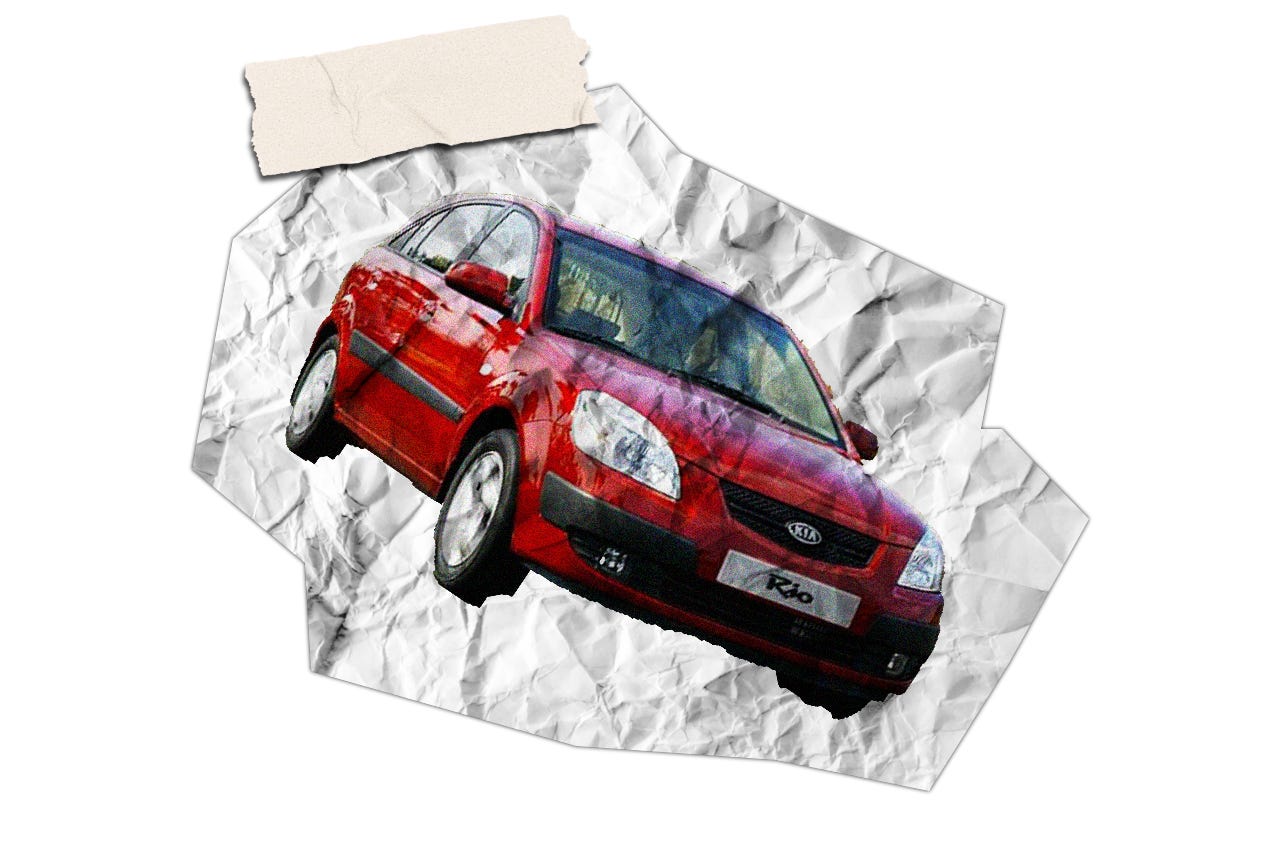
Morgane: Yeah, it’s your baby! My first car was a Kia rio and I was so excited. And then it starts fucking up in some way and you’re like, what are you doing?
Jordi: Totally! It’s like a by-gone era where you polish it, vacuum it out, change the oil, car freshener - the works. Then the engine light comes on and you’re like farkkkkkk.
Morgane: Yes you really do attach yourself to your wine, it’s a thing, you personify it. It’s actually really interesting.
Jordi: I realise you were recently overseas. Looked fab from what I saw on Insta. Where did you go, what was your favourite bite and bott?
Morgane: So I went to France to see my family, my dad is in Montpellier, and my grandparents are in the Jura, more the cheese making Jura than the wine making part. But when I landed I went straight to the Loire Valley to see an old colleague that worked with us at Mac Forbes last year. He’d recently started his own winery, found this old winery with cellars carved into limestone, it’s insanely beautiful. He’s just doing Chenin so that was very cool to see his first wine in barrel, and to be on a similar journey of making our own wines.
“... you really do attach yourself to your wine, it’s a thing, you personify it. It’s actually really interesting.”
Jordi: And favourite gastronomic moment?
Morgane: My grandfather was a cheesemaker and used to make Comte. He sold his caves to a guy who started curing ham in them. I finally got to taste some of that ham, that felt really special.
Jordi: Repurposing a space but under the same umbrella of enjoyment.
Morgane: Absolutely. Just to know where that pig came from, where it was cured as I was eating it.
Jordi: Thankyou for sharing that.
Just to wrap this all up, I just wanna acknowledge the first time we met you just rocked up in the shop, holding your rose by the neck, no fancy wine case, no tech sheets, you just came as you were.
Morgane: Did I just rock up? We had an appointment!
Jordi: We did! But just the way you showed up was memorable and honest. I think it was notable because as we know the wine industry has inclinations to be very structured. I just remember you swanning past the shop window and I was like ‘Fuck. Yes!’. Thanks so much for chatting with me.
Morgane: No, thankyou for having me!
You can keep up with Morgane’s vinous life on instgram @morganeptr.
#drinklouder
Thanks for reading our first Substack article! Subscribe for free to keep up with our musings.